Get analysis, insight & opinions from the world's top marketers.
Sign up to our newsletter.
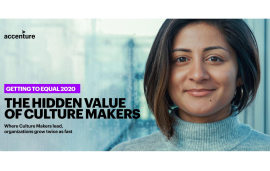
New Accenture research finds leaders and employees hold differing views on progress toward equality; cutting the gap by half would boost global profits by US$3.7 trillion, along with workforce ambition and empowerment
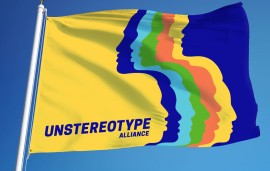
Developed for the Unstereotype Alliance, it helps measure gender portrayal in advertising
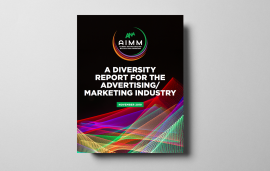
This report from ANA's Alliance for Inclusive and Multicultural Marketing (AIMM), based on three separate studies among ANA members, concludes that women overwhelmingly comprise the bulk of the marketing industry's workforce and at the senior leadership level, female representation is now likely at an all-time high. However, ethnic diversity continues to be poor, especially for African-American/Black and Hispanic/Latino.
Kantar Inclusion Index surveyed 18,000 people in 14 countries and working in 24 different industries (to date) to produce a new global standard in marking progress towards achieving equality and inclusive ways of working.
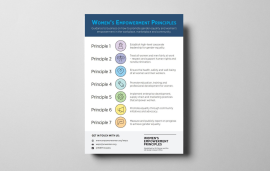
The Women’s Empowerment Principles (WEPs) are a set of Principles offering guidance to business on how to promote gender equality and women’s empowerment in the workplace, marketplace and community. Established by UN Global Compact and UN Women, the WEPs are informed by international labour and human rights standards and grounded in the recognition that businesses have a stake in, and a responsibility for, gender equality and women’s empowerment.
This study examines representations of gender, race/ethnicity, sexual orientation (LGBTQ), and ability (with a focus on people with disabilities) among characters in Cannes Lions ads from 2018. Furthermore, it compared findings from 2018 to gender representations in Cannes Lions Film Craft advertisements from the previous decade (2006-2017).
AdReaction: Getting Gender Right delivers new insights into the role of gender in brand strategy, creative response and media targeting.

The questions used in the Gender Equality Measure (GEM™) module, which helps business leaders make better decisions by addressing unconscious bias within media and programming.
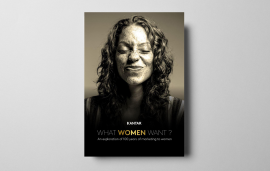
Study by Kantar reports that despite an increased focus on equality, major brands are still not effectively acknowledging women’s priorities, or communicating with women in an empowering manner at every step of the customer journey.
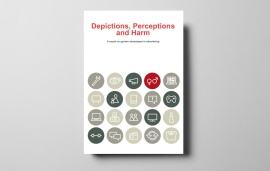
An evidence-based case for for stronger regulation of ads that feature stereotypical gender roles or characteristics which might be harmful to people, including ads which mock people for not conforming to gender stereotypes.
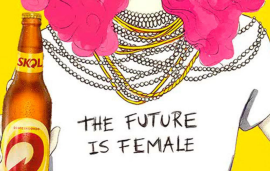
Brazilian beer brand Skol enlisted six female artists to rewor its old sexist ads and create new marketing assets for the brand, showcasing women as strong and independent
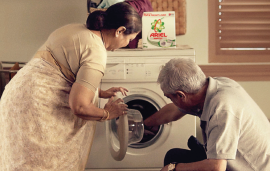
How detergent brand Ariel increased sales in India by 76% by encouraging progressive gender roles
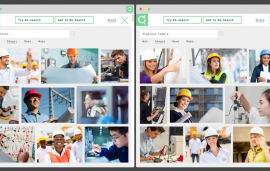
Browser extension Semcon combats gender stereotypes in online search results
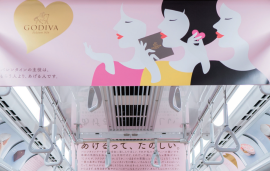
Confectionery brand Godiva calls for an end to the Japanese custom of giving ‘obligation chocolates’ to colleagues on Valentine’s Day
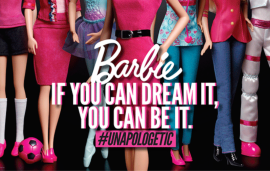
How Mattel set out to demonstrate the doll’s relevance by embracing female empowerment and diversity

Outdoor retailer REI seeks to advance gender equality with series of long-term pledges
Report exploring the lifestyles and attitudes of British women aged between 53 and 72.
Stackla surveyed 2,000 adults in the US, UK and Australia, examining the content being created and shared online, and what influences consumers’ purchasing decisions most.
In 2017, discussions around gender and media have reached a fever pitch. We’ve seen movements for gender equality in Hollywood, in Silicon Valley, and even on Madison Avenue. But is the advertising industry making strides toward improving representation of women overall? This report is the first to answer that question through a rigorous, data-driven approach.