WFA member only
Request info on WFA membershipThis research is WFA member-only content. If interested in WFA membership and its benefits, please get in touch with our membership team.
WFA's Sustainable Marketing Community presents:
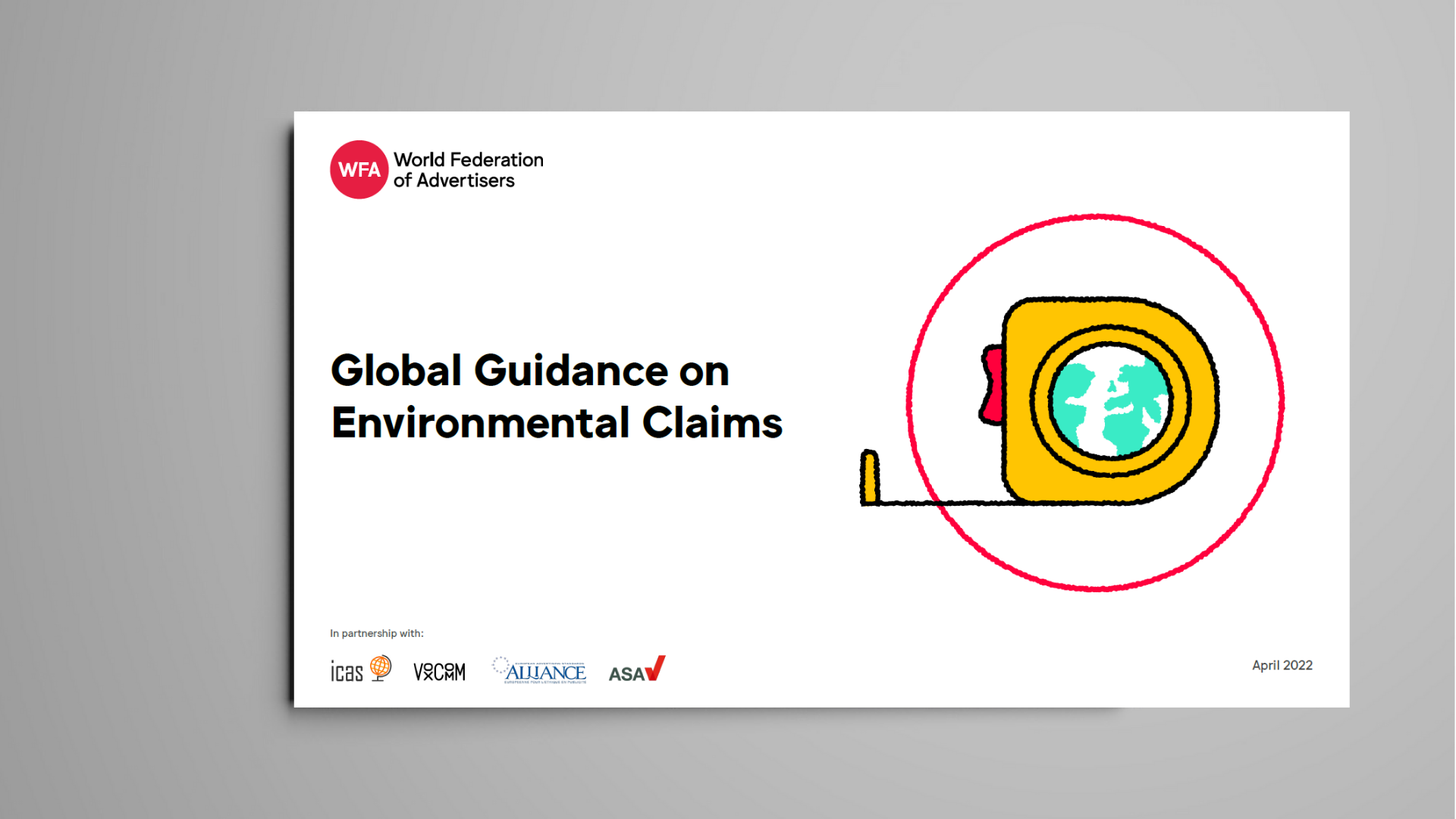
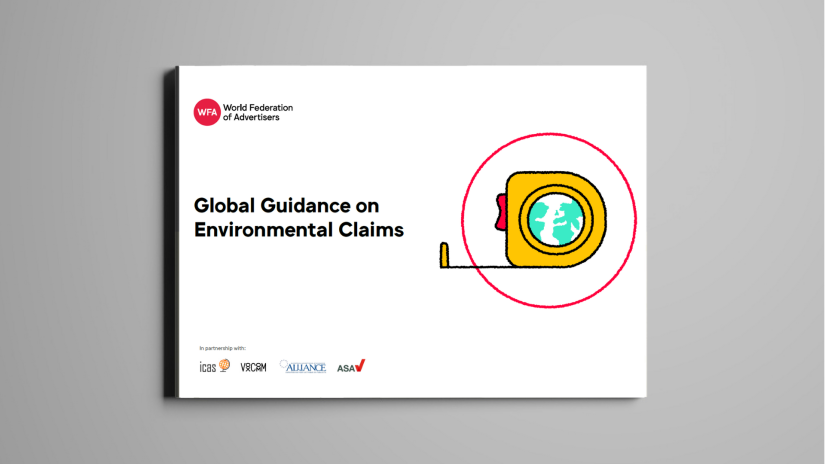
This first-of-its-kind voluntary guidance covers how brands can make sure environmental claims featured in their marketing communications are credible for both consumers and regulators.

This research is WFA member-only content. If interested in WFA membership and its benefits, please get in touch with our membership team.
The guidance has been developed in the context of WFA's Sustainable Marketing Community, a voluntary commitment by leading companies to use the power of marketing as a force for positive change both internally and with the consumers who buy their products and services.
It identifies six key principles that marketers need to follow to make sure they are seen as trustworthy and to avoid their brands being accused of greenwashing and aswers the following questions:
WFA commissioned the International Council for Advertising Self-Regulation (ICAS) and the European Advertising Standards Alliance (EASA), with the support of environmental experts from the UK’s Advertising Standards Authority (ASA), to help pull the guidance on sustainability claims together.
There was a peer review process from a number of advertising standards bodies from around the world with expertise on green claims, including bodies from Australia, Brazil, France, India, Sweden, Spain and the US.
The guidance was also reviewed by the corporate members of WFA's Sustainable Marketing Community, EACA and Voxcomm, the global groups which bring together advertising agencies. It therefore represents a consensus across the global industry and industry regulators of what the core elements are to ensuring trustworthy and meaningful environmental claims.
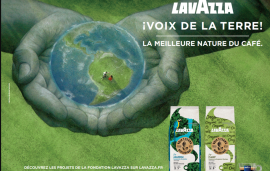
A visual in an ad for coffee brand Lavazza attracted a complaint to the Jury for Advertising Ethics as it appeared to suggest that drinking the brand would aid planet protection. Their verdict is here.
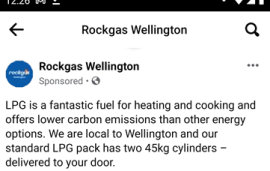
Rock Gas Wellington’s Facebook post states that "LPG is a fantastic fuel for heating and cooking and offers lower carbon emissions than other energy options.” The ASA had to assess whether this was true, what did they decide?
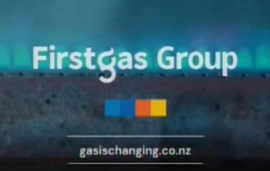
An Audiovisual ad in New Zealand featured a controversial voiceover for Firstgas Group. The claim that the company is ‘ensuring our gas is going zero carbon’ attracted complaints arguing that this was not yet possible. Were they right?