Get analysis, insight & opinions from the world's top marketers.
Sign up to our newsletter.
This study examines representations of gender, race/ethnicity, LGBTQ+, disability, age, and body size in Cannes Lions ads from 2006-2019, with a focus on new findings from 2019. This is the first public report to analyze all six key identity groups in film-based advertising. We also include an intersectional profile for each identity group.
Quantifies the scale of harmful gender-based stereotypes in 10 countries, including Colombia, India, Japan, Kenya, Nigeria, The Philippines, Sweden, Turkey, UAE, United States
The study measures the attitudes of non-LGBTQ Americans to exposure of LGBTQ people and images in the media.
Report reaffirms the global relevance of the link between diversity and company financial outperformance.
A showcase for Diversity and Inclusion initiatives in the UK ad industry.
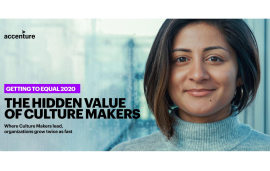
New Accenture research finds leaders and employees hold differing views on progress toward equality; cutting the gap by half would boost global profits by US$3.7 trillion, along with workforce ambition and empowerment
This research highlights the economic consequences of using exclusion lists to ensure that brand advertising does not end up next to inappropriate content, including for LGBTQ+ news publishers which are facing a struggle for survival
A multifaceted analysis on the obstacles that prevent many black professionals from reaching the C-Suite.

An analysis of African Americans' growth in purchasing power that makes the case for diversity in advertising.
This report from ANA's Alliance for Inclusive and Multicultural Marketing (AIMM), based on three separate studies among ANA members, concludes that women overwhelmingly comprise the bulk of the marketing industry's workforce and at the senior leadership level, female representation is now likely at an all-time high. However, ethnic diversity continues to be poor, especially for African-American/Black and Hispanic/Latino.

The research explores how black, asian and minority ethnics (BAME) are represented in society across the advertising and media industries, and investigates the impact of the term BAME and its effects on an individual’s self-perceived identity and socio-economic status in British society.

To get a sense of how older adults are depicted in online images, researchers reviewed a random sample of more than 1,000 online images from brands and thought leaders posted on news sites and social media with at least one million followers
Kantar Inclusion Index surveyed 18,000 people in 14 countries and working in 24 different industries (to date) to produce a new global standard in marking progress towards achieving equality and inclusive ways of working.
This study examines representations of gender, race/ethnicity, sexual orientation (LGBTQ), and ability (with a focus on people with disabilities) among characters in Cannes Lions ads from 2018. Furthermore, it compared findings from 2018 to gender representations in Cannes Lions Film Craft advertisements from the previous decade (2006-2017).
AdReaction: Getting Gender Right delivers new insights into the role of gender in brand strategy, creative response and media targeting.
Study by Kantar reports that despite an increased focus on equality, major brands are still not effectively acknowledging women’s priorities, or communicating with women in an empowering manner at every step of the customer journey.
New research from Accenture, in partnership with Disability:IN and the American Association of People with Disabilities (AAPD), reveals that companies that embrace best practices for employing and supporting more persons with disabilities in the workforce have outperformed their peers
An evidence-based case for for stronger regulation of ads that feature stereotypical gender roles or characteristics which might be harmful to people, including ads which mock people for not conforming to gender stereotypes.
In A Workplace Divided: Understanding the Climate for LGBTQ Workers Nationwide, HRC Foundation seeks to uncover the prevalence of LGBTQ workers feeling pressure to hide their sexual orientation and/or gender identity on the job and the cost of that hiding both to individuals and employers writ large. We also research the benefits to employers and workers when workplace climates are more welcoming of LGBTQ people.
A study revealing attitudes towards transgender people in different countries
Report exploring the lifestyles and attitudes of British women aged between 53 and 72.
NIVEA's Global VP, Tobias Collée, shares on the importance of humanity and cultural respect, as part of the Candid CMO series.