Get analysis, insight & opinions from the world's top marketers.
Sign up to our newsletter.
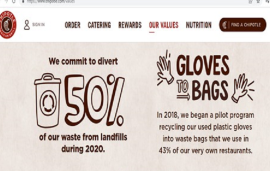
Fast food brand Chipotle makes claims about the environmental impact of its ingredients, how much food waste is diverted from landfill and how staff waste such as gloves are managed. Are such claims justified?
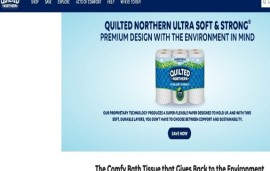
Bathroom tissue brand Quilted Northern makes claims on its website and on packaging about its practice of planting trees to replace those used to make its products. Were these claims credible?
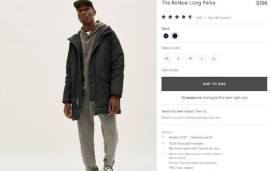
Fashion brand Everlane was making claims about the recycled content in its clothes and the fact that dyes used were “safer for the environment”. The US regulator had to decide if they were credible.

Even the brand name of CalciTrio Naturell food supplement came under scrutiny when Hungary’s regulator looked at its TV and print messages. The results are here.
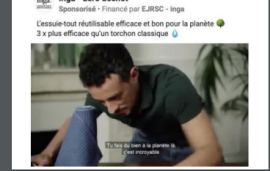
Inga’s social media ads for its reusable paper towel products included a claim that it is a “zero waste” solution and "really good for the planet". Did the regulator believe it?
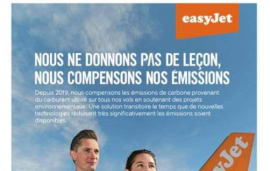
EasyJet’s claim in a French press ad that it doesn’t “teach lessons, we offset our emissions" and "From 2019 we are offsetting our carbon emissions from the fuel used on all our flights by supporting environmental projects” attracted a complaint. Find out if the message was in line with the country’s advertising standards here.
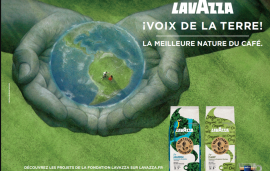
A visual in an ad for coffee brand Lavazza attracted a complaint to the Jury for Advertising Ethics as it appeared to suggest that drinking the brand would aid planet protection. Their verdict is here.
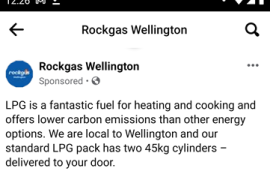
Rock Gas Wellington’s Facebook post states that "LPG is a fantastic fuel for heating and cooking and offers lower carbon emissions than other energy options.” The ASA had to assess whether this was true, what did they decide?
An Audiovisual ad in New Zealand featured a controversial voiceover for Firstgas Group. The claim that the company is ‘ensuring our gas is going zero carbon’ attracted complaints arguing that this was not yet possible. Were they right?

A Belgian ad for MSC Cruises attracted a complaint from a consumer who took issue with the company’s claim to be 100% carbon-neutral. She argued that it was unacceptable greenwashing but did the regulator agree?

Beech-Nut Nutrition promoted its products via TV and online ads in the US, claiming that “glass is nature’s safest container” and that “Glass is the ultimate in sustainability”, find out if they were right to do so here.

A member of the WFA Insight Forum is looking to establish protocols for digital advertising testing, from identifying insights to developing/selecting winning content all the way to measuring the impact of the digital campaign.

In an increasingly complex business ecosystem, where does the Insights function sit today, and where to go next?

Annex documents elaborated by ICAS and EASA that complement WFA's upcoming Environmental Claims Guidance
Please note that GARM was discontinued on August 8 2024. See more here.
The Global Alliance for Responsible Media community continues to discuss the evolving responses to the war in Ukraine. Rob Rakowitz, GARM Global Lead, details the latest information and advice for advertisers from platforms, agencies and ad-tech players.

WFA podcast host, David Wheldon, speaks with Peter Field, CEO of Peter Field Consulting, and Karen Nelson-Field, CEO of Amplified Intelligence, about what marketers need to know about effectiveness and the attention economy.

As the need for content in multiple formats and lengths only increases, so will the need for smarter thinking around content creation, asset re-use and technology.

Speakers include marketing leaders from Mastercard, Procter & Gamble and Unilever
This WFA member benchmark examined the category management of Market Research & Insights

Global study using avatar technology predicts that just 0.82% of all ads online are for alcohol brands