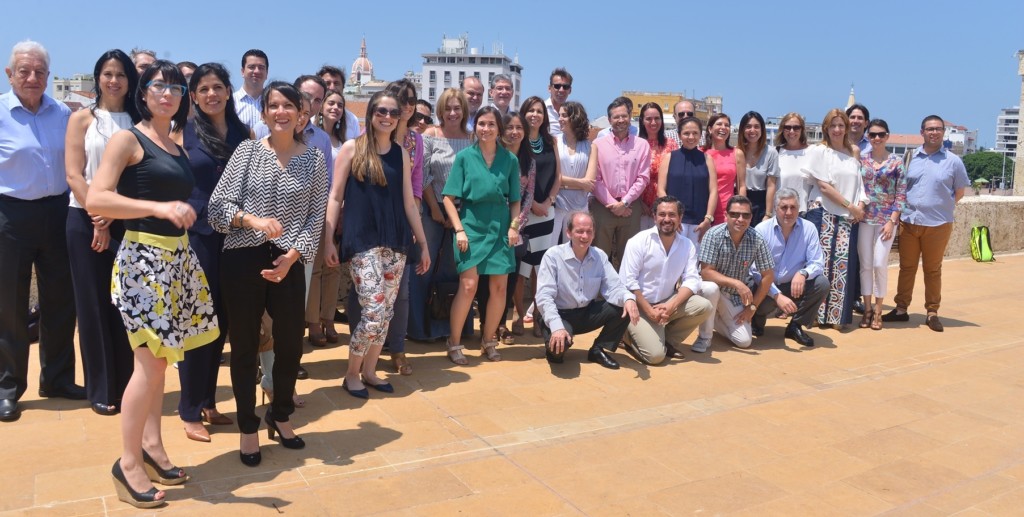
On 27-28 September, WFA held its 17th annual regional LATAM meeting in Colombia, back to back with “Cartagena Inspira”, Latin America’s capstone event for communication, creativity and innovation.
Kindly hosted by ANDA Colombia, the event brought together in Cartagena 40+ regional marketers and public affairs professionals, as well as WFA’s Latin American network of advertiser associations: Colombia, Chile, Peru, Argentina, Bolivia, Guatemala, Paraguay, and Spain.
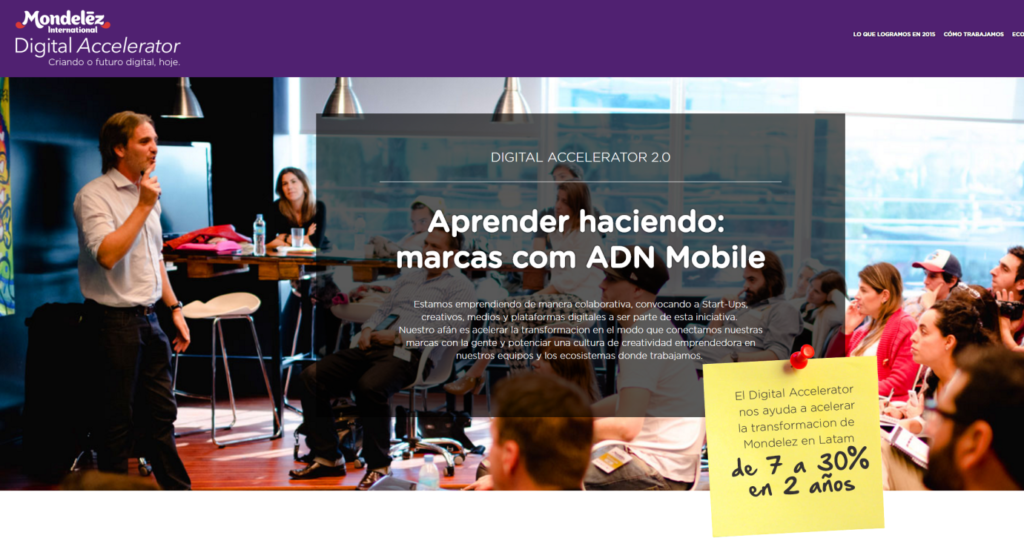
Building on a global study by WFA, participants shared their views on working with start-ups in a session led by Mondelēz.
Here are some take-aways:
Get used to hearing the word ‘start-up’. Results of the WFA study showed a growing appetite among marketers to work with start-ups. 22% already have an official programme in place and another 28% see themselves working with start-ups in the next six to nine months.
Start-ups can help you in your digital transformation journeys. Several brands, including Mondelēz, use start-ups to accelerate their digital transformation processes. Mondelēz’s “LA Digital Accelerator” programme, for instance, which currently runs in Argentina, Brazil and Mexico, is expected to drive a digital transformation acceleration of 7-30% in the next two years in Latin America.
Start with ‘how’ and ‘what’. Defining how the start-up engagement will look like and what it will involve is essential to the successful planning of the programme. Engaging with start-ups just for the sake of it is counterproductive.
Build on the right enablers. The study showed that you need to encourage a culture of adventure and entrepreneurship in your organisation, risk-taking within your company while embracing failure as acceptable, and not to expect an immediate ROI. In a first phase, it’s all about testing and learning.
As part of a fascinating week at Cartagena Inspira, one presentation really stood out for its simplicity. José María Roca, a Creative Director of DDB Spain and lead on Holograms for Freedom, one of the most-awarded Cannes campaigns of 2015, presented his ‘Idea List’ – a checklist meant to help evaluate creative brand messages. According to him, a good idea is…
Relevant: 90% of brands are not relevant to people and we can make them relevant if our ideas are. Think users and not consumers. Try to satisfy their needs instead of selling them things. How? Create tangible products that add rational value or sharable content that adds emotional value.
Influential: Does it have the power to influence and transform? Is it a newspaper headline? Would you recommend it or share it?
“Liquid”: is it content that is able to travel across channels, like video?
Innovative: Does it innovate in terms of technology or social?
“Pretty” (bonita): a bad execution of a good idea reflects badly on your brand. A well-executed bad idea is a “pretty” message. Does it have potential to be excellent and global? Because you are not competing in a local market only – but with the entire world.
Challenging: making an idea come true is always challenging. Let’s challenge ourselves and those who say that it’s impossible and make it happen.
So, how good is your brand’s latest idea?
2017’s Regional LATAM meeting will be hosted by the National Advertiser Association of Paraguay (CAP) in Asunción, on 26-27 September. For information please contact Natalia at n.echeverri@wfanet.org.
WFA Forums and Communities bring peers together to address their priority issues and most pressing business challenges. These groups are client only, so no agencies, media or suppliers. They are conducted under Chatham House Rules and always under strict compliance with competition rules.
WFA initiatives are designed to drive positive change for the benefit of brand advertisers, people and society at large.
WFA events bring members together to exchange insight and engage with their peers on their priority issues.
WFA develops bespoke marketing and policy tools to help members benchmark performance, view forecasts and monitor policy and marketing trends.
Your website experience and privacy matter to us
That is why we want to let you know that we use cookies and similar technologies to measure traffic on and engagement with our website. That way we can remember your choices and preferences. Other than strictly necessary ones, cookies will only be set if you agree. Please indicate below which cookies and similar technologies you agree we may use: