Get analysis, insight & opinions from the world's top marketers.
Sign up to our newsletter.
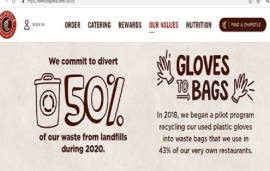
Fast food brand Chipotle makes claims about the environmental impact of its ingredients, how much food waste is diverted from landfill and how staff waste such as gloves are managed. Are such claims justified?
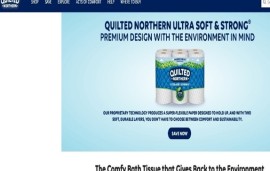
Bathroom tissue brand Quilted Northern makes claims on its website and on packaging about its practice of planting trees to replace those used to make its products. Were these claims credible?
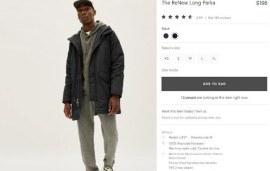
Fashion brand Everlane was making claims about the recycled content in its clothes and the fact that dyes used were “safer for the environment”. The US regulator had to decide if they were credible.
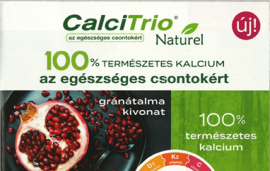
Even the brand name of CalciTrio Naturell food supplement came under scrutiny when Hungary’s regulator looked at its TV and print messages. The results are here.
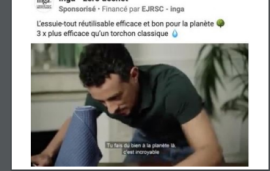
Inga’s social media ads for its reusable paper towel products included a claim that it is a “zero waste” solution and "really good for the planet". Did the regulator believe it?
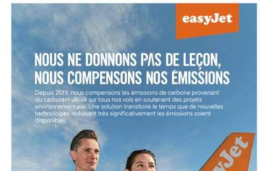
EasyJet’s claim in a French press ad that it doesn’t “teach lessons, we offset our emissions" and "From 2019 we are offsetting our carbon emissions from the fuel used on all our flights by supporting environmental projects” attracted a complaint. Find out if the message was in line with the country’s advertising standards here.
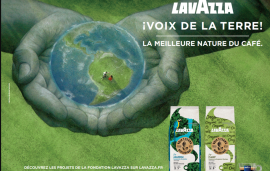
A visual in an ad for coffee brand Lavazza attracted a complaint to the Jury for Advertising Ethics as it appeared to suggest that drinking the brand would aid planet protection. Their verdict is here.
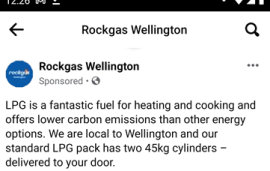
Rock Gas Wellington’s Facebook post states that "LPG is a fantastic fuel for heating and cooking and offers lower carbon emissions than other energy options.” The ASA had to assess whether this was true, what did they decide?
An Audiovisual ad in New Zealand featured a controversial voiceover for Firstgas Group. The claim that the company is ‘ensuring our gas is going zero carbon’ attracted complaints arguing that this was not yet possible. Were they right?

A Belgian ad for MSC Cruises attracted a complaint from a consumer who took issue with the company’s claim to be 100% carbon-neutral. She argued that it was unacceptable greenwashing but did the regulator agree?

Beech-Nut Nutrition promoted its products via TV and online ads in the US, claiming that “glass is nature’s safest container” and that “Glass is the ultimate in sustainability”, find out if they were right to do so here.
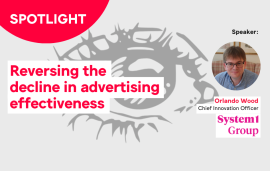
In this recording, System1’s Chief Innovation Officer, Orlando Wood, shares insights from his latest book, Look out, published by the IPA.

There are many reasons WFA members have hesitated to communicate around their sustainability efforts: The risk of exposing themselves in other areas of the business. Coming across as lacking authenticity. Inadvertently greenwashing. Or simply because they do not see the potential business benefit.
In November 2021, world and business leaders alike gathered in Glasgow for COP26. The most important climate summit since 2015, when the world met in Paris to chart a new, more ambitious course to prevent catastrophic climate change.

Overview of the CMO Forum held remotely on November 16, 2021.

The WFA’s CMO Forum boasts marketing leaders from diverse categories and geographies, yet their priorities are often strikingly consistent. One of the clearest threads remains the ever-present need for transformation, says Rob Dreblow, WFA Global Head of Marketing Services.

Meeting overview from WFA’s Insight Forum meeting on 13 October 2021, which took place remotely.

This report contains results from a survey amongst WFA Planet Pledge signatories and some considering singing. 17 companies responded. 14 were already signatories.

WFA member benchmark on recommended sustainability and marketing consultants.

Overview of the CMO Forum held remotely on September 8, 2021.