Get analysis, insight & opinions from the world's top marketers.
Sign up to our newsletter.
Marketers almost unanimously believe that the function can make a difference on this journey.
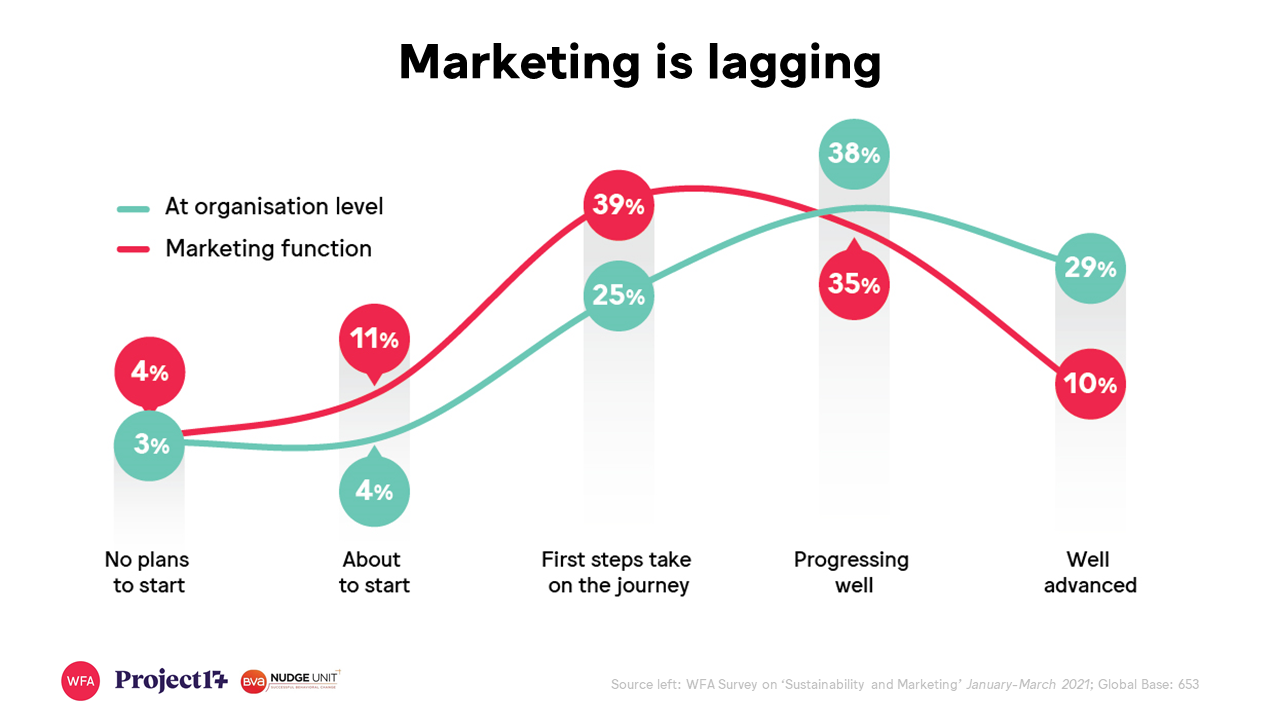
New WFA research identifies that marketing often lags other areas within businesses. Just 10% of marketers claim to be well advanced on sustainability compared to 29% who said that their company as a whole was at this stage.
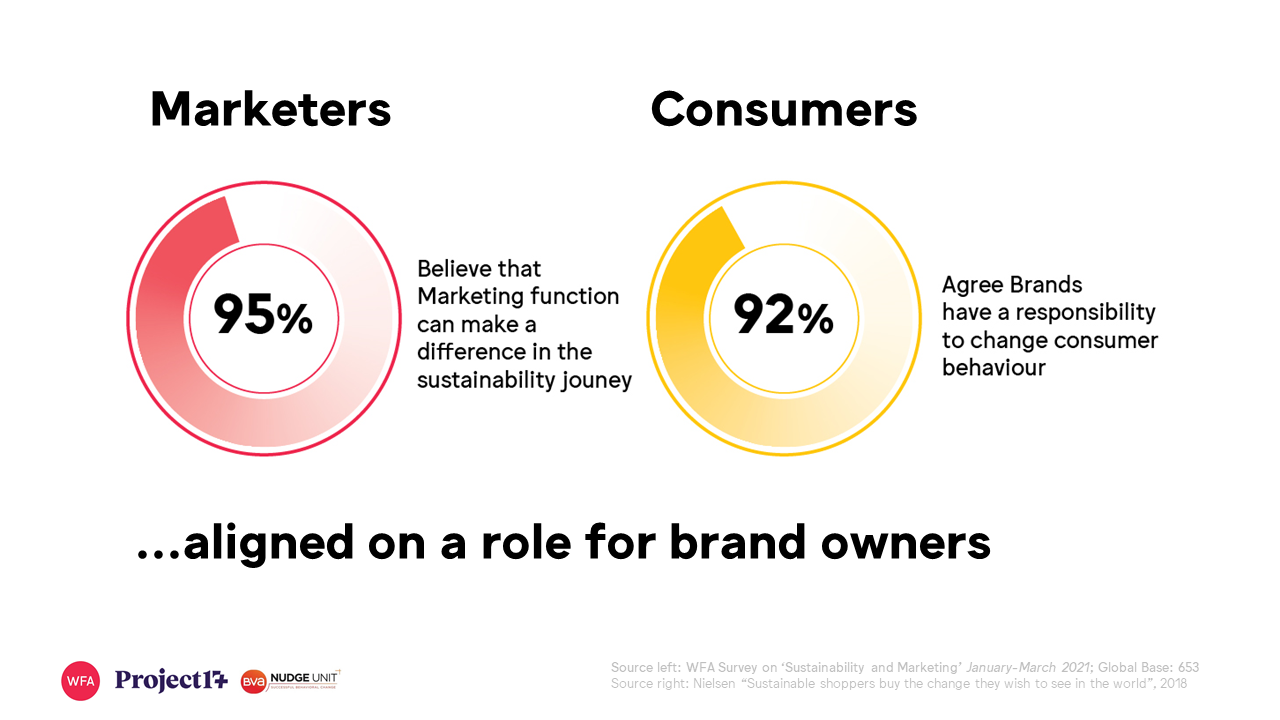
Despite this, 95% of marketers believe that the marketing function can make a difference in the sustainability journey.
It will not be easy, however, and Marketing And Sustainability: Closing The Gaps identifies three areas of significant challenges in delivering on these goals:
Marketing and Sustainability: Closing the Gaps was run in partnership with Project 17, the communications unit centered on the United Nations' Global Goals, and behavioural change experts, BVA Nudge Unit. The findings are based on in-depth qualitative interviews with 13 global Chief Marketing Officers as well as a quantitative survey run in conjunction with national advertiser associations, with responses from more than 650 marketers in 34 markets around the world, including a wide mix of geographies, company sizes and categories.
Sustainability has certainly rapidly risen up marketers’ agendas. In WFA’s 2020 Marketer of the Future study sustainability lagged at the bottom of the ‘current role’ options provided but it was also No. 1 when asked which areas would become more important over the next five years.
Part of the challenge for marketers is the organisational structure for many corporates, as sustainability does not sit neatly into an existing function. Marketers cite challenges such as conflicting business priorities (39%), lack of dedicated internal resources (27%) and pressure from shareholders (26%).
Marketing and Sustainability: Closing the Gaps argues that true progress will necessitate the same transformative mindset that organisations had to adopt during the ‘digital revolution’. Marketers need to see the opportunities inherent to the sustainability agenda as a new filter through which to see the entire ecosystem versus simply a new chapter to the marketing playbook. Right now, just one third of organisations have sustainability as a KPI on their marketing dashboard and approximately 20% of marketing organisations are not measuring sustainability efforts at all.
Above all, however, it will take courage for marketers to more boldly communicate corporate efforts, once they have something positive to say. Eighty-nine percent say companies need to be braver in communicating their efforts but only a quarter do, in many cases due to the fear of consumer backlash. Sixteen percent of those questioned said they had a good story to tell but were not yet ready to do so, while 47% said they need to improve their narrative.
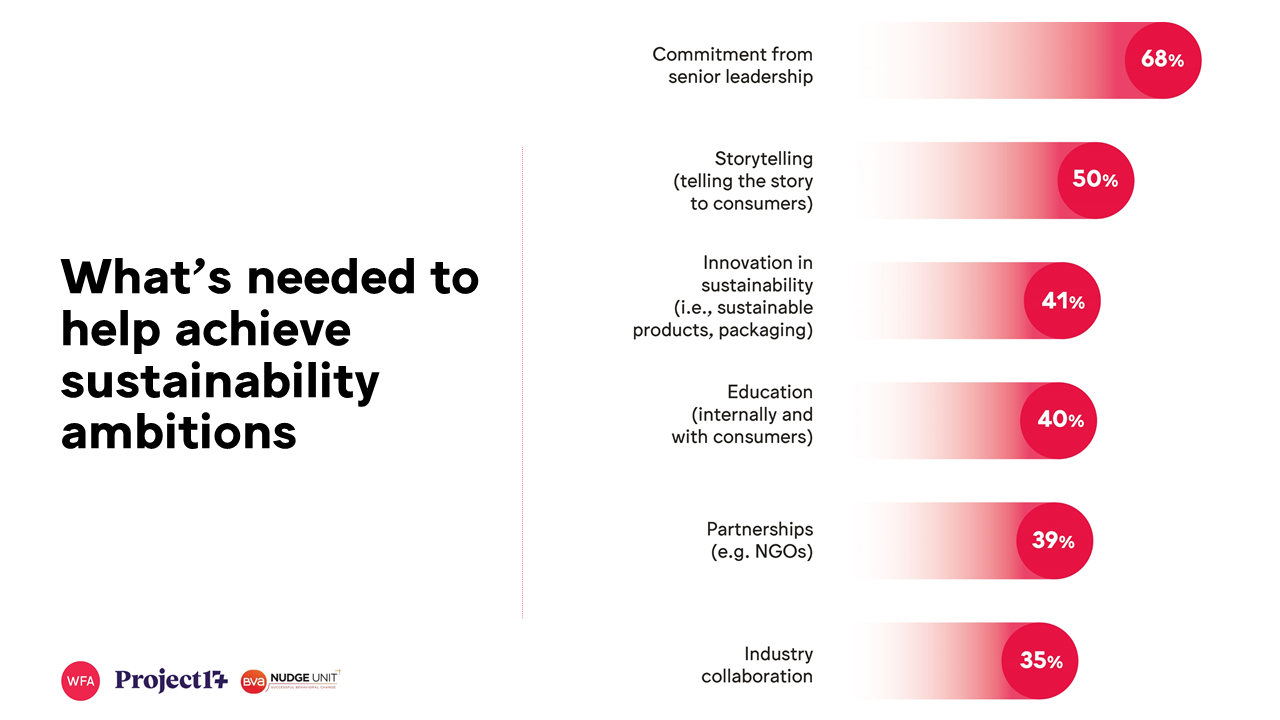
Although the marketers who responded to the report cited a wide range of solutions for driving a step change in action, there were three areas of common focus: Upskilling the marketing team; committing to efforts to help consumers make sustainable choices; and providing inspiration, via sustainability and marketing case studies.
Please note that this research is WFA member only content. Interested in WFA membership and its benefits? Reach out to our team at membership@wfanet.org.

For more information or questions, please contact Michelle McEvoy at m.mcevoy@wfanet.org