Get analysis, insight & opinions from the world's top marketers.
Sign up to our newsletter.
WFA has launched a new Transparency Tool, in partnership with Ebiquity, designed to help benchmark contact transparency across key areas of media practice.
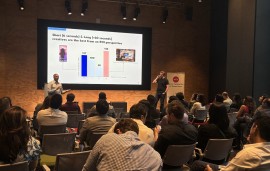
On the 21st of January 2025, the WFA community was invited to the Google offices in Singapore for an evening of insights and networking drinks. A session hosted by Goole demonstrated how media and creative are two essential sides of the same coin. Materials shared by the team at Google are now available for download.

For senior experts from a broad range of functions, including marketing, legal, policy and compliance.
Each year at Cannes, WFA brings together a programme of events available to WFA members, including WFA co-hosted events and WFA speaker sessions (indicated in red) and 3rd party sessions (indicated in blue) taking place across the week. We hope these will help you connect, learn and make the most of your time in Cannes.
This live session is part of WFA’s practical webinar series, Knowledge Spotlights. In partnership with handpicked experts, this series offers 101 sessions on modern marketing foundations relevant to Asia Pacific. Designed for emerging leaders, from junior to mid-level professionals, looking to enhance their marketing skills and knowledge.
Campaigns now typically feature nine different touchpoints, making the challenge of measuring impact more acute, but more vital than ever. Matt Green and Rishi Saxena unveil new WFA research and point to the progress made with WFA’s North Star Halo programme – an enabler for Origin in the UK and Aquila in the US.
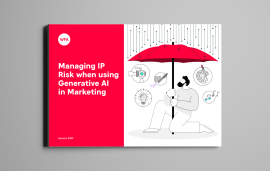
Marketers fears about IP and copyright are stopping brands taking advantage of the benefits. This new WFA report highlights options open to advertisers to create safe spaces for GenAI use.

WFA’s key messages advocating for proportionate, evidence-based and robust policies on food marketing and children.
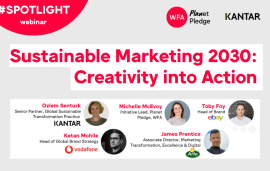
Learn more about the role of creativity in sustainable transformation from WFA and Kantar.
New series of WFA playbooks on sustainable marketing from WFA and Kantar offers marketers guidance on how to put theory into practice, starting with the power of storytelling.
The Economist’s predictive look to the year ahead. Tom Standage, Deputy Editor of The Economist and Editor of The World Ahead, provides an exclusive, first insight into the top 10 topics of the upcoming The World Ahead 2025 report.
Close to 1 in 4 multinationals have been working on this area for more than a decade, yet challenges around tracking and availability persist. A new WFA playbook offers voluntary guidance and case studies for marketing leaders looking to develop or strengthen their supplier diversity programmes.
The latest WFA and Ebiquity study indicates a further rise in media budgets next year, but positive movement is likely to be more targeted than in previous years says Tom Ashby, Global Lead Media Services at WFA.
According to new research from WFA and global media advisors MediaSense, three out of four multinational brands are seeking to change their agency renumeration model in the next three years.
Marketing procurement needs to get its skills future-fit to add maximum value to the business. Laura Forcetti, Director Marketing Services Asia Pacific and Global Sourcing at WFA, reveals the latest research.
Media inflation is predicted to rise over the next couple of years. WFA Tom Ashby, Global Lead, Media Services, highlights some implications for advertisers.
9 out of 10 top global markets expected to see prices rise more than in 2024.

An overview of AI transparency obligations key markets globally

The WFA is relaunching its Agency Cost Index (ACI) tool to support members as they seek to gain a better understanding of what the costs of using agency services might look like globally.
Keep track of consumers expectations and perspectives on the use of generative AI in advertising and marketing.
New technology is changing the way the insights function works across the globe. Ioana Danila, Senior Manager, Global Insights at the WFA, explains how it is enabling a more strategic approach.
NIVEA's Global VP, Tobias Collée, shares on the importance of humanity and cultural respect, as part of the Candid CMO series.