Get analysis, insight & opinions from the world's top marketers.
Sign up to our newsletter.

AI is reshaping how consumers discover, evaluate and purchase products and services, fundamentally reshaping search dynamics. For brands, this evolution raises critical questions about visibility, measurement and relevance in a world where AI models increasingly mediate consumer journeys.
Steady price growth hides sharper contrasts between regions and markets.
Broadcaster video-on-demand tops inflation charts as CTV stays flat.

WFA research finds that upskilling remains one of the greatest roadblocks to AI adoption among brands. To help marketers navigate this challenge, WFA is expanding its webinar series to focus on AI.

A 90-minute interactive Policy Action Group (PAG) session, hosted in collaboration with Influence Builders, explored how public affairs professionals can harness AI to sharpen advocacy strategies, amplify influence and drive smarter engagement.
As global marketers adapt to AI, its environmental impact is set to become an issue of increasing importance, say Gabrielle Robitaille, Director of Policy, and Michelle McEvoy, Global Lead, Sustainable Marketing at WFA.

In an era of increasing privacy demands, Privacy-Enhancing Technologies (PETs) are essential. But what exactly are they?

AI is rewiring the whole marketing economy, including marketing procurement. Laura Forcetti, Director, Marketing Asia-Pacific, and Global Sourcing, presents some industry-first research into the scale of adoption across the function.
The latest in the series of playbooks on Sustainable Marketing from WFA and Kantar offers insights on innovation as a strategic growth driver.
What was once an experimental channel has become an essential part of today’s marketing landscape. Brenna Brandes, Global Marketing Services Manager, explains.

This WFA survey seeks to identify general industry trends regarding the adoption and use of (Gen)AI in marketing procurement within the advertising sector.
WFA has launched new research into media agency Master Services Agreements (MSAs), highlighting the key areas where brands can find it difficult to keep contracts up to date.
New research reveals that generative and agentic AI is set to have a major impact on media practices.
New initiative aims to update pitch practices and foster stronger partnerships between brands and agencies.
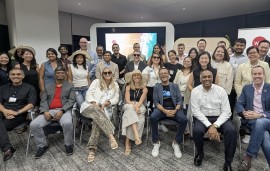
Overview of the event held at Google in Singapore on the 19th of June.
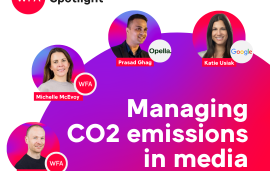
Across the WFA membership, advertisers continue to explore how they can reduce the carbon footprint of their media investments—often in complex and evolving environments. As WFA broadens its Sustainability work via the launch of a new member-wide Sustainable Marketing Community, we are hosting the first in a series of Sustainable Marketing webinars, starting with a deep dive on Media Sustainability.

How can advertisers help shape a healthier global food environment?

Discover the WFA Media team unpack the results of the latest Outlook poll of media price inflation forecasts for LATAM in particular, with the latest trends across the region and individual markets.

A one-pager on the European Accessibility Act (EAA) which aims to improve the accessibility of key products and services for people with disabilities across the EU, and the potential implications for marketers.

In this session, our guest and partner, Claire Randall, unpacks the key take-outs from our recent joint report, Global Content Production (2025 update)

Practical guidance on how to evolve advertising self-regulation and preserve the private sector’s license to operate
New WFA research shows that brands are taking more time to articulate what they stand for and changing the markets they invest in.
CMOs and public policy leads agree that the world has become more unpredictable and riskier.
NIVEA's Global VP, Tobias Collée, shares on the importance of humanity and cultural respect, as part of the Candid CMO series.